A Hypothesis for the 21st Century
For 1,400 years, Iran lived under Islamic political dominance after its military conquest by Arab-Muslim armies in the 7th century. Today, after the 2022–2023 Woman, Life, Freedom uprising and continued civil disobedience into 2026, large segments of Iranian society are openly rejecting theocracy and demanding a secular, culturally Persian future.
We have 50 million Muslims in Europe. There are signs that Allah will grant Islam victory in Europe — without swords, without guns, without conquest — will turn it into a Muslim continent within a few decades. Muammar Gaddafi’
At the exact same moment in history, Western Europe — the continent that repeatedly turned back Islamic armies at the Battle of Tours in 732 CE and the Siege of Vienna in 1683 — is experiencing the fastest growth in its Muslim population share in modern times. This growth is driven not by swords, but by sustained immigration from Muslim-majority countries, higher fertility rates, and pockets of hardline Islamist ideology that have never abandoned the dream of expanding Dar al-Islam into Europe.
This is the Great Reversal.
As Iran pushes out of 1,400 years of Islamic rule from within, Western Europe is absorbing a demographic and cultural shift that echoes the very expansionist visions once pursued by the Umayyads, Ottomans, and modern figures like Muammar Gaddafi.
1. The Muslim Conquest of Iran (633–651 CE): The Beginning of 1,400 Years of Dominance
The Sassanid Persian Empire, a Zoroastrian superpower with deep pre-Islamic roots, fell to the Rashidun Caliphate in a lightning campaign:
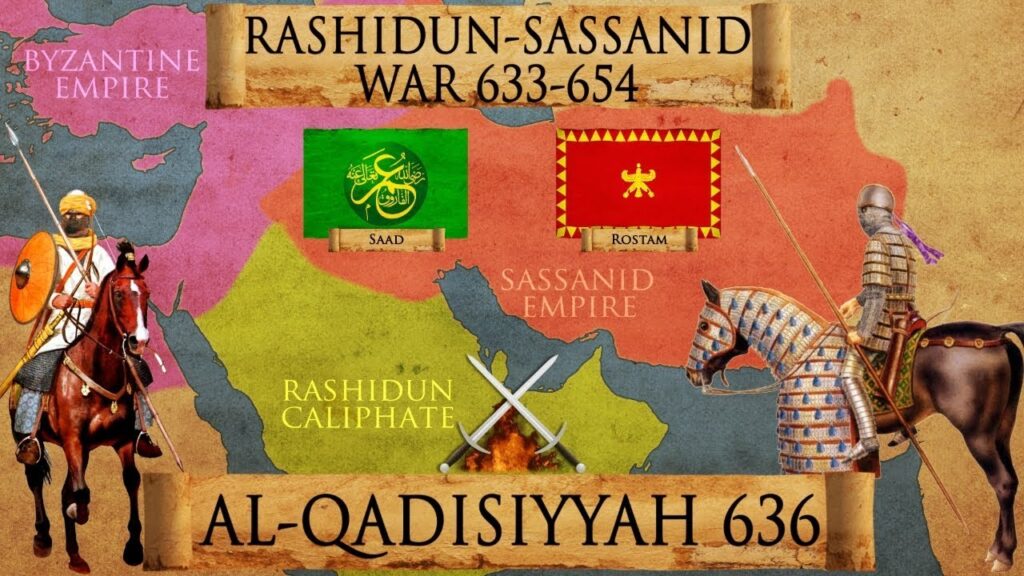
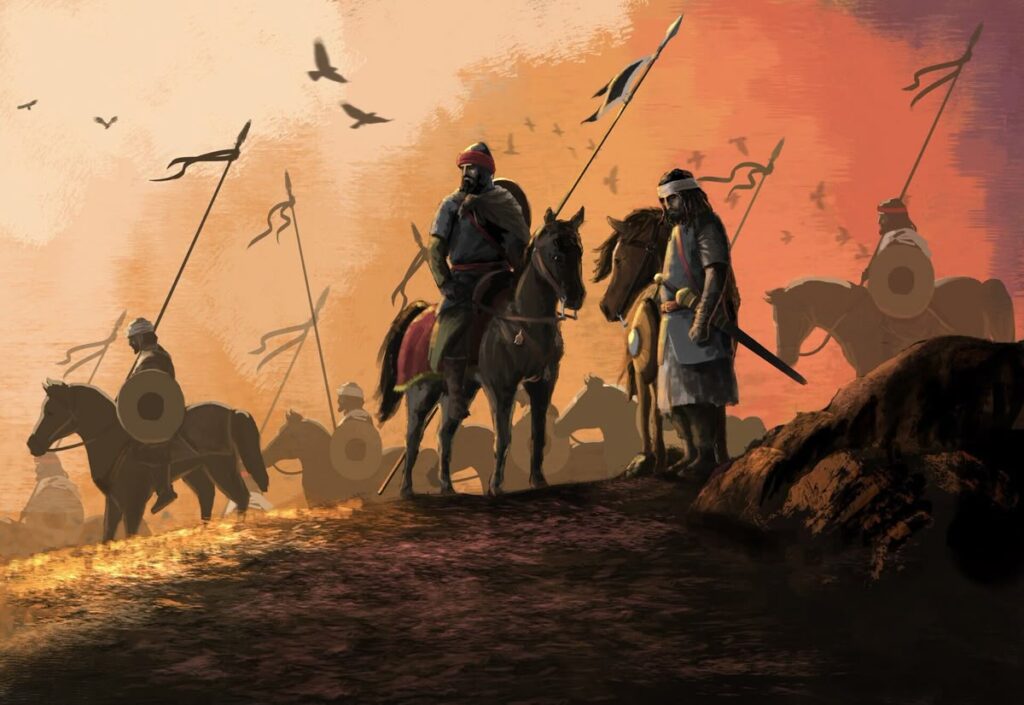
- Battle of al-Qadisiyyah (636 CE) — near the Euphrates in modern Iraq — shattered the Persian army.
- Fall of Ctesiphon (637 CE) — the imperial capital.
- Battle of Nahavand (642 CE) — dubbed the “Victory of Victories” by Arab chroniclers — crushed the last major resistance on the Iranian plateau.
- By 651 CE, the last Sassanid king, Yazdegerd III, was killed near Merv in Central Asia.
Conversion was gradual — through jizya tax incentives, social pressure, and intermarriage — but by the 9th–10th centuries Islam was the dominant faith. Persia kept its language (Farsi) and festivals like Nowruz, yet political Islam became the ruling ideology. Fast-forward 1,400 years: the 1979 Islamic Revolution installed the world’s only Shia theocracy.
Today’s reversal (detailed below) shows that even centuries of rule can be challenged from inside.
2. Iran 2022–2026: The Quiet (and Not-So-Quiet) Revolution Against Political Islam
Official state figures still claim 99 % Muslim (mostly Shia) for Iran’s ~92 million people. Independent data tells the real story:
- GAMAAN surveys (anonymous online, VPN-protected, 2020–2025): Only ~40 % identify as Muslim (≈32 % Shia in early waves). The rest: 22 % “none,” 9 % atheist, 7 % spiritual but non-religious, 6–8 % agnostic. Many symbolically embrace Zoroastrian identity as Persian nationalism.
- Leaked Ministry of Culture and Islamic Guidance poll (2023–2024, later referenced in 2025 reports): 72.9 % now favor separation of religion and state (up from 30.7 % in 2015). 10 % self-identify as “nonreligious,” 24 % “moderately religious.” 45 % oppose mandatory hijab.
- GAMAAN June 2024 Political Preferences survey (77,216 respondents): 70–80 % say they would not vote for the Islamic Republic in a free election. 89 % want a democratic system. Support for regime change rose another 6 % after the September 2025 “12-Day War” with Israel (GAMAAN post-war survey, Sept 24–28 2025).
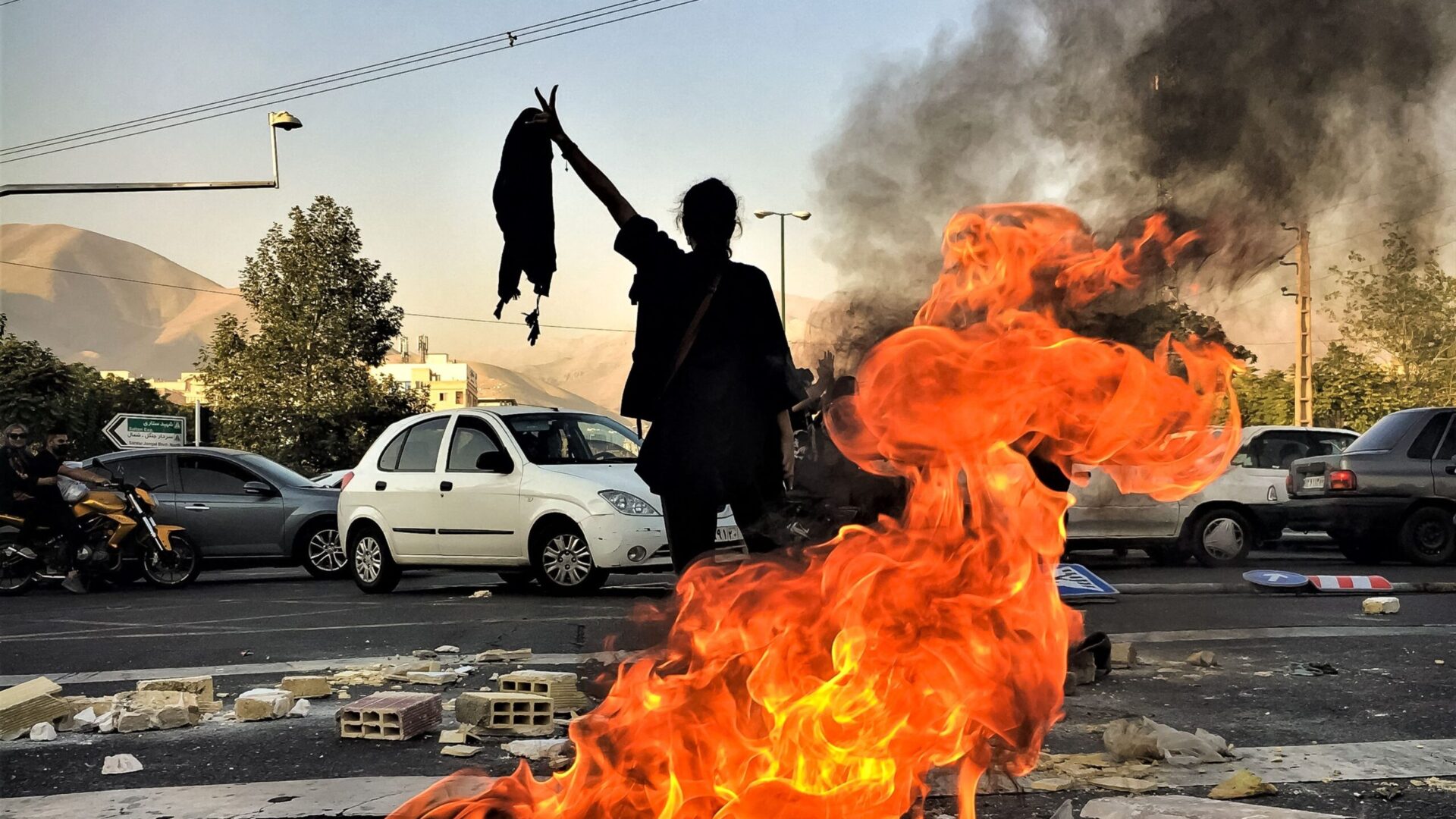
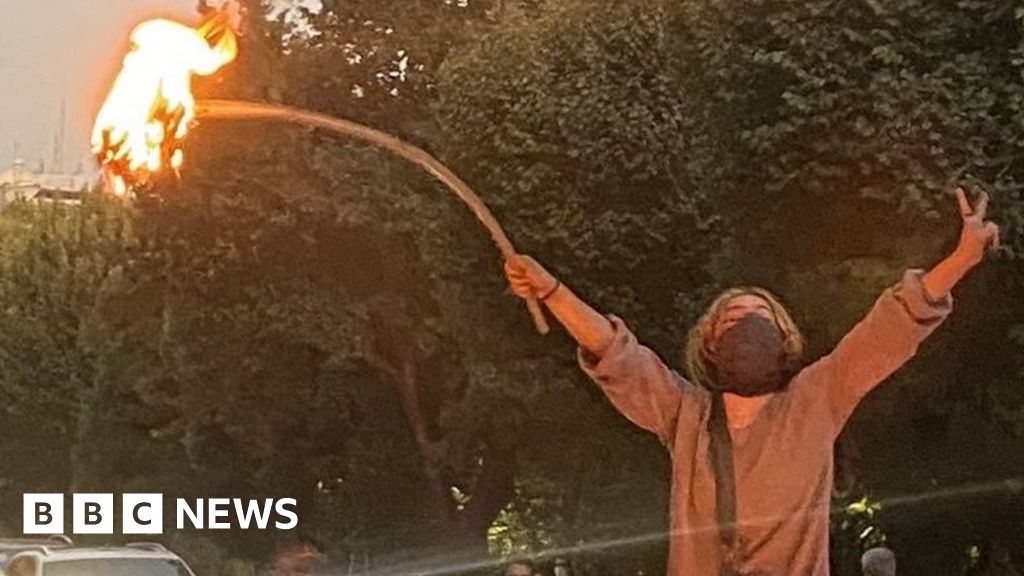
The spark: September 16, 2022 — death of 22-year-old Mahsa Jina Amini in morality-police custody for “improper hijab.” The “Zan, Zendegi, Azadi” (Woman, Life, Freedom) protests became the largest anti-regime uprising since 1979. Women burned hijabs in public squares from Tehran to Kurdistan; the chant spread nationwide. Even after brutal crackdowns (hundreds killed, thousands arrested), civil disobedience continues into 2026: women walk unveiled, youth reject clerical sermons, and mosques empty. Many protesters explicitly frame the movement as reclaiming pre-Islamic Persian roots alongside secular democracy.
After 1,400 years — and 47 years of the Islamic Republic — Iran is internally shedding political Islam.
While official Iranian censuses still claim 99%+ Muslim and list only about 117,700 Christians (mostly ethnic Armenian and Assyrian communities), independent estimates paint a radically different picture.
3. Christianity’s Explosive Underground Growth Under 47 Years of Islamic Rule
In 1979, at the time of the Islamic Revolution, there were roughly 500 Muslim-background believers (converts from Islam) in the entire country. Today, after 47 years of theocratic rule, harsh anti-conversion laws, and severe persecution (including arrests, imprisonment, and executions for apostasy), the number of Iranian Christians — predominantly converts from Muslim families — has surged to estimates of 800,000 to over 3 million. Many credible sources, including mission organizations like Elam Ministries, Transform Iran, and Open Doors, place the figure around 1 million to 2 million Muslim-background believers.

A 2020 GAMAAN survey (a secular, Netherlands-based research group using anonymous online polling) found that 1.5% of respondents identified as Christian. Extrapolated across Iran’s adult population, this points to at least 750,000–1 million Christians, with house-church leaders and researchers believing the real number is significantly higher due to the underground nature of the movement. Some reports suggest Iran now has one of the fastest-growing Christian populations in the world, with annual growth rates cited as high as 19–20% in evangelical house-church networks. Scholars like Ladan Boroumand and Shay Khatiri have described it as “the highest rate of Christianization in the world,” noting that more Iranians have come to Christian faith in the last four decades than in the previous 13 centuries combined since the 7th-century Muslim conquest.
This growth is happening almost entirely through underground house churches — small, secretive gatherings often led by Iranian converts themselves, fueled by satellite TV broadcasts (like SAT-7), online Bible resources in Persian, and personal testimonies. Many converts report dreams or visions of Jesus as a turning point. Younger Iranians, disillusioned by the failures of the Islamic Republic, compulsory hijab, morality police, and economic hardship, are particularly responsive.
The regime has responded with intensified persecution: in 2024 alone, at least 96 Christians received a combined 263 years in prison — a sixfold increase from the previous year. Converts face charges of “acting against national security” or apostasy, with house churches raided and Bibles confiscated. Yet, as history has shown repeatedly, persecution often accelerates underground faith movements rather than crushing them.
This Christian surge adds another powerful layer to Iran’s “quiet revolution.” It is not just a rejection of political Islam in favor of secularism or pre-Islamic Persian identity (symbolized by rising Zoroastrian identification in surveys). It is also a spiritual search for an alternative — one that stands in direct contrast to the theocratic system imposed since 1979.
After 1,400 years of Islamic dominance that began with the conquest of the Sassanid Empire, large numbers of Iranians are quietly walking away from Islam — some toward “none,” some toward Persian roots, and a remarkable number toward Christianity. This internal awakening stands in sharp contrast to the demographic and ideological pressures Europe faces today.
4. Western Europe’s Demographic Trajectory: The Modern Shift (No Swords Required)
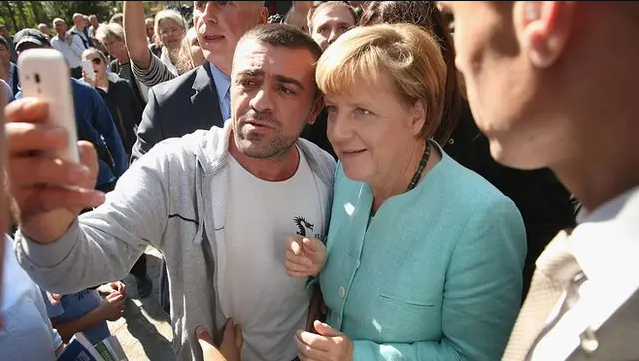
Europe’s Muslim population is currently ~6 % (~46–50 million in the EU + UK + Norway/Switzerland as of 2025 estimates). Concentrated in the West due to:
- Post-WWII labor migration
- Family reunification
- 2015–2016 refugee waves
- Higher fertility (Muslim TFR ~2.6 vs. native European ~1.3–1.5)
Current approximate shares (2025):
- France: ~9 % (≈6.7 million)
- Germany: ~7 % (≈5.6–6 million)
- UK: ~6.5 % (≈4.5 million)
Pew Research Center projections (2017 model — still the gold-standard benchmark in 2026 because migration/fertility trends have not reversed):
- Zero migration: 7.4 % Muslim by 2050 (fertility + age structure alone).
- Medium migration: 11.2 %.
- High migration: 14 %.
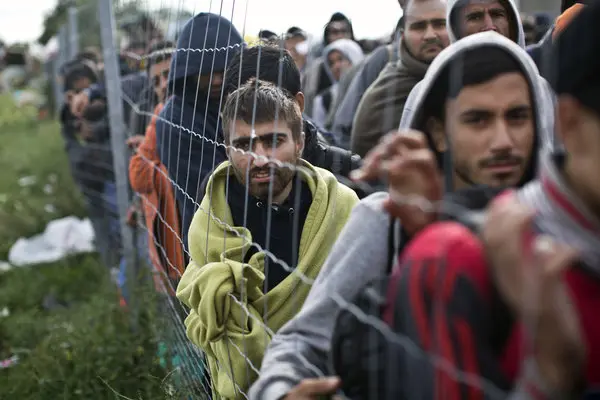
High-migration country peaks: Germany ~19.7 %, France/UK ~17–18 %. These are measurable demographic facts — sub-replacement native births + inflows from Muslim-majority regions + initial immigrant fertility advantage.
5. Ideological Continuity: Gaddafi’s Explicit Vision – Conquest Without Swords… and the Gatekeeper Warning
Hardline Islamist currents have never stopped viewing Europe as unfinished business for Dar al-Islam.
Muammar Gaddafi’s 2006 prophecy (April 10, 2006, Al-Jazeera broadcast during a Mawlid celebration in Timbuktu, Mali):
Pay me, or the floodgates open.
“We have 50 million Muslims in Europe. There are signs that Allah will grant Islam victory in Europe — without swords, without guns, without conquest — will turn it into a Muslim continent within a few decades.”
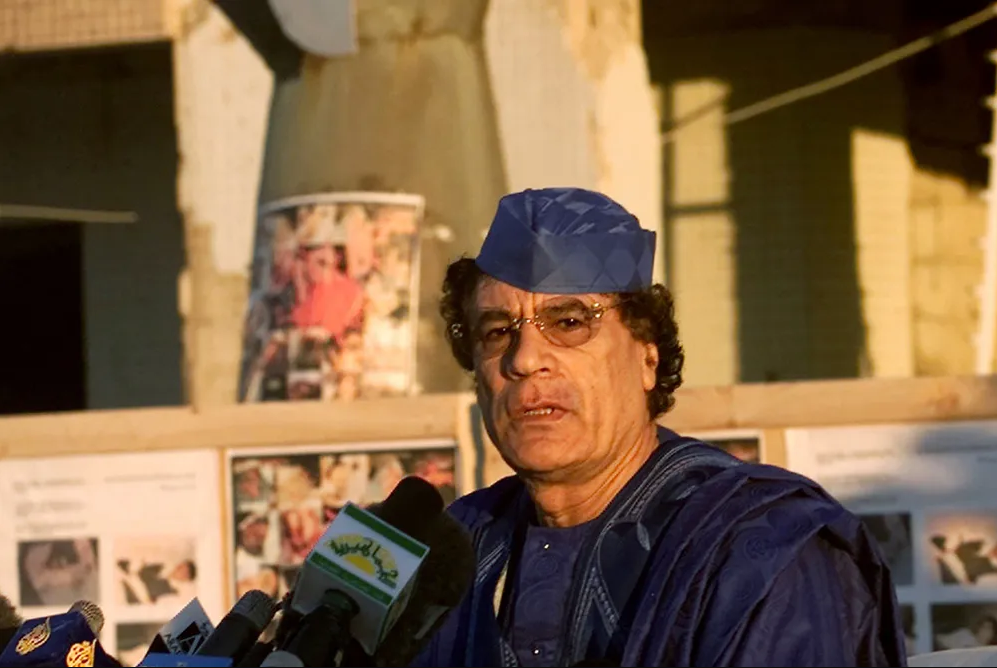
He added that Turkey’s potential EU accession would push the total toward 100 million.
But Gaddafi went further in 2010. On August 30–31, 2010, during a high-profile visit to Italy, he openly lectured European leaders that Libya was the gatekeeper stopping a massive African migrant invasion — and demanded payment for the service. Speaking to business leaders and Italian Prime Minister Silvio Berlusconi, Gaddafi declared:
“Tomorrow Europe might no longer be European, and even black, as there are millions who want to come in… We don’t know what will be the reaction of the white and Christian Europeans faced with this influx of starving and ignorant Africans.”
He demanded the EU pay Libya at least €5 billion per year to seal the Mediterranean routes and prevent Europe from “turning black” or “turning into Africa.” Libya had already been receiving technical aid and compensation packages from Italy (2008 Friendship Treaty) and the EU for migration control — Gaddafi was essentially saying: “Pay me, or the floodgates open.”
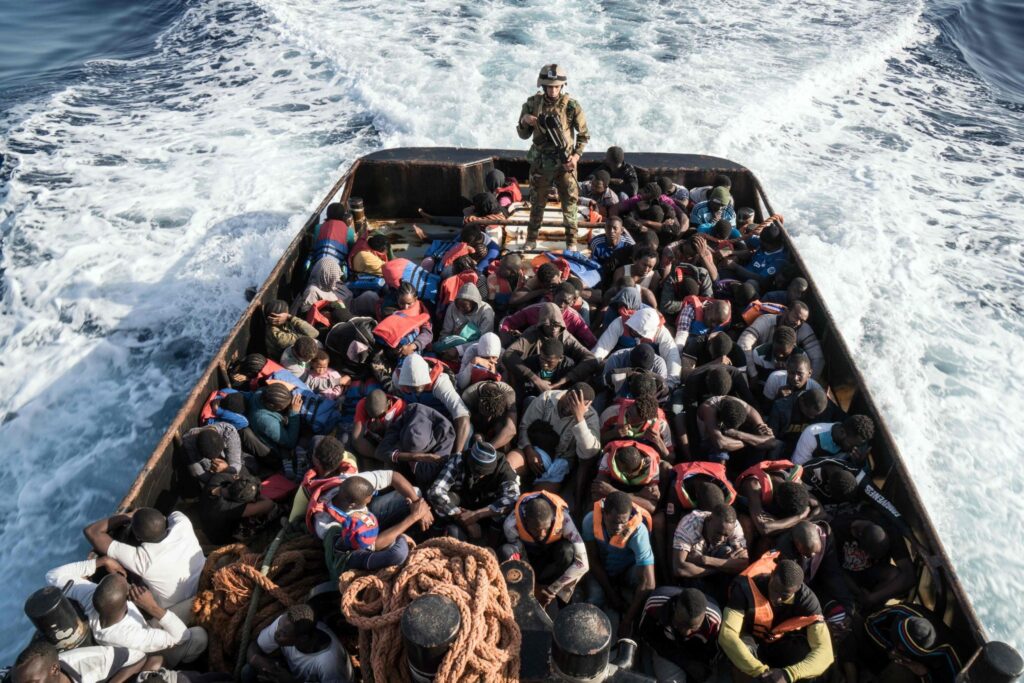
In March 2011, as NATO-backed rebels closed in on his regime, Gaddafi issued a final blunt warning to France and the EU: if he fell, “millions of blacks” would cross the Mediterranean into Italy and France, causing chaos. He reminded Europe that “Libya plays a role in security in the Mediterranean.” Within months of his overthrow, the Libyan civil war shattered border controls — and the 2015–2016 migrant surge that followed was widely seen as the prophecy materializing.
Similar demographic rhetoric continues today in neo-Ottoman statements by Turkish President Recep Tayyip Erdoğan urging Muslims in Europe to have “five children, not three.” ISIS’s short-lived caliphate (2014–2019) also called explicitly for expansion into Europe.
Gaddafi wasn’t just theorizing about peaceful demographic “victory” — he was actively monetizing Libya’s role as Europe’s southern shield. When that shield collapsed, the non-military invasion he predicted accelerated. It ties directly to today’s Pew projections and the geographic reality of Muslim-majority North Africa as the launchpad.
6. Historical Military Pushbacks That Europe Once Mastered
Europe did not roll over:
- 711 CE — Umayyad general Tariq ibn Ziyad crosses Gibraltar, defeats Visigoths at Guadalete, conquers most of Spain (Al-Andalus lasts until Granada falls 1492).
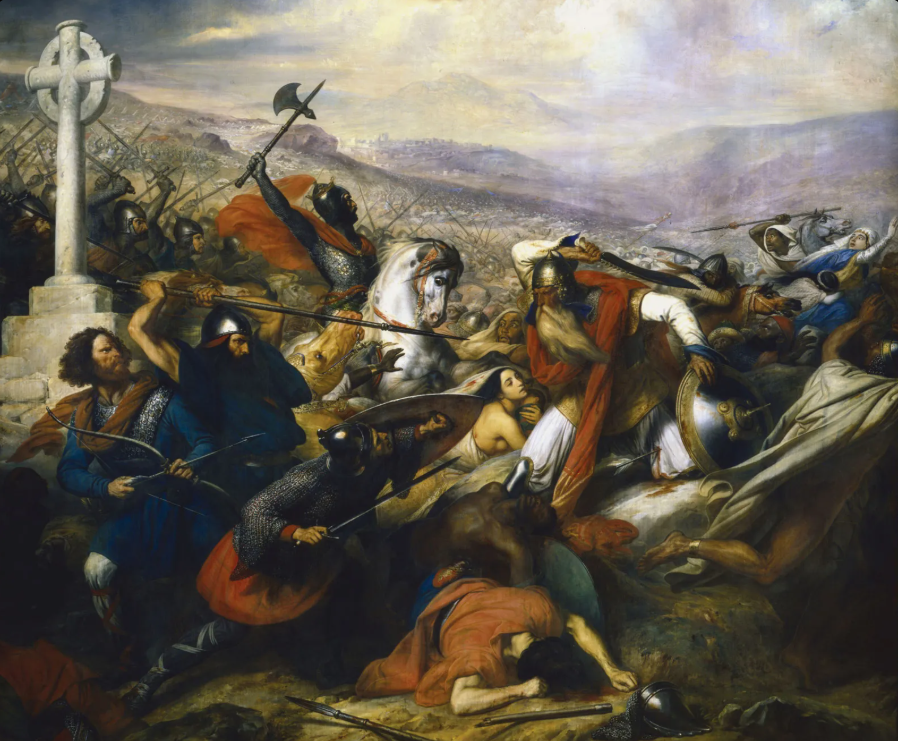
- 732 CE — Charles Martel stops the northward advance at the Battle of Tours/Poitiers.
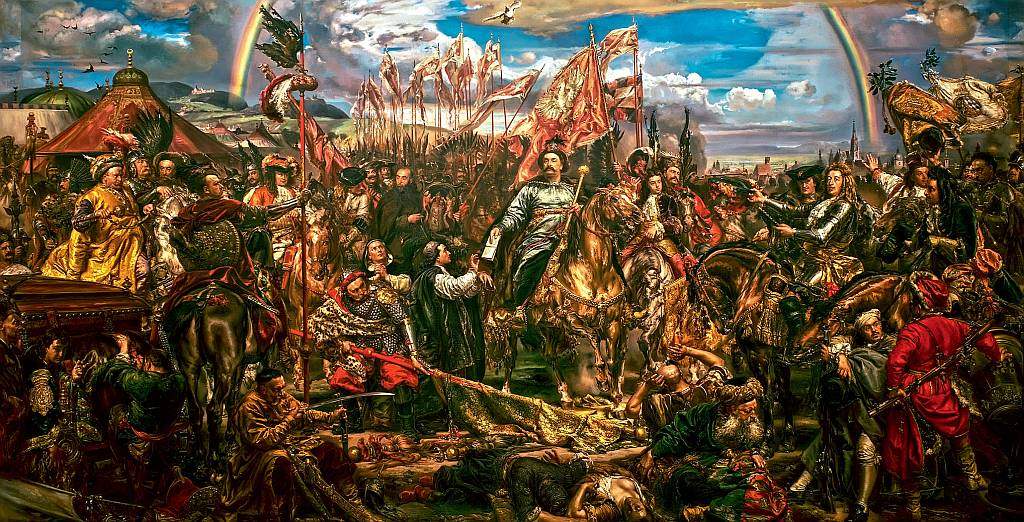
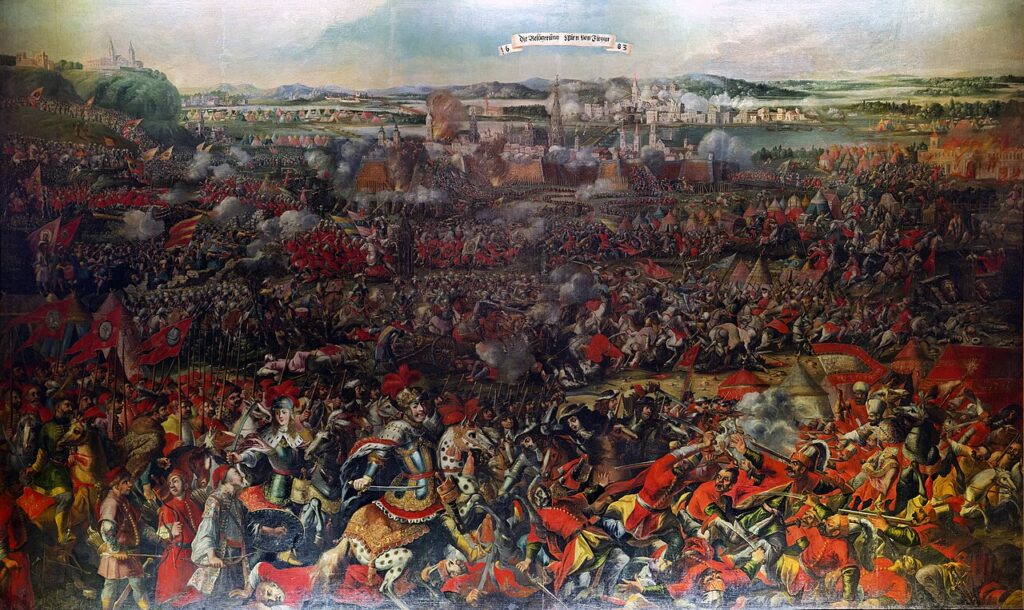
- 1529 & 1683 — Ottoman sieges of Vienna. The 1683 Battle of Vienna (Sept 12) featured the largest cavalry charge in history (~18,000 Polish winged hussars under King John III Sobieski). Defeat began the Ottoman retreat from Central Europe.
Richard the Lionheart fought Saladin in the Third Crusade (1189–1192) in the Levant, but the Iberian Reconquista and Vienna coalitions were the true European stand.
Conclusion: The Hypothesis and What It Means for the West
The evidence supports a profound historical irony. Iran — conquered by the sword in 651 CE and ruled by Islamic governance ever since — is today rejecting theocracy through protests, plummeting religiosity, and demands for secular democracy or Persian revival. Meanwhile, Western Europe, which halted Umayyad and Ottoman armies at Tours and Vienna, now confronts growing Muslim population shares through voluntary migration, fertility gaps, and ideological pockets that still dream of non-kinetic “conquest,” as Gaddafi declared in 2006.
This is not inevitable. Iran proves that even 1,400-year-old religious-political orders can be overturned internally. Europe’s future depends on policy choices: controlled immigration, rigorous integration, incentives for native birth rates, and cultural confidence. History records both expansionist ambition and successful resistance. The 21st-century variant simply replaces armies with demographics and ideas.
The Great Reversal is happening in real time. Whether it leads to successful pluralism or deeper transformation will define Europe’s secular future — just as Iran’s awakening is already redefining its own.